





Analysis of environmental factors when using universal circuit breaker
Compare the air circuit breaker configurations against the switchboard duty and maintenance plan.
The ACB troubleshooting guide separates protection trips from accessory and mechanism problems.
Environmental inputs and limits
| Condition | Information to provide | Evidence to request |
|---|---|---|
| Temperature | Ambient and enclosed operating range | Derating and assembly heat-rise data |
| Altitude | Actual installation elevation | Model-specific limits and correction |
| Dust or corrosion | Exposure and enclosure arrangement | Materials and maintenance suitability |
| Condensation | Temperature cycles and moisture risk | Suitable enclosure and operating measures |
| Lifecycle stage | Environmental check |
|---|---|
| Enquiry | Site conditions included |
| Design | Enclosure, ventilation and clearances reviewed |
| Installation | Cable entries and mounting match drawings |
| Maintenance | Inspection responds to actual exposure |
Compare fixed and drawout ACBs when the project requires a documented replacement or isolation procedure.
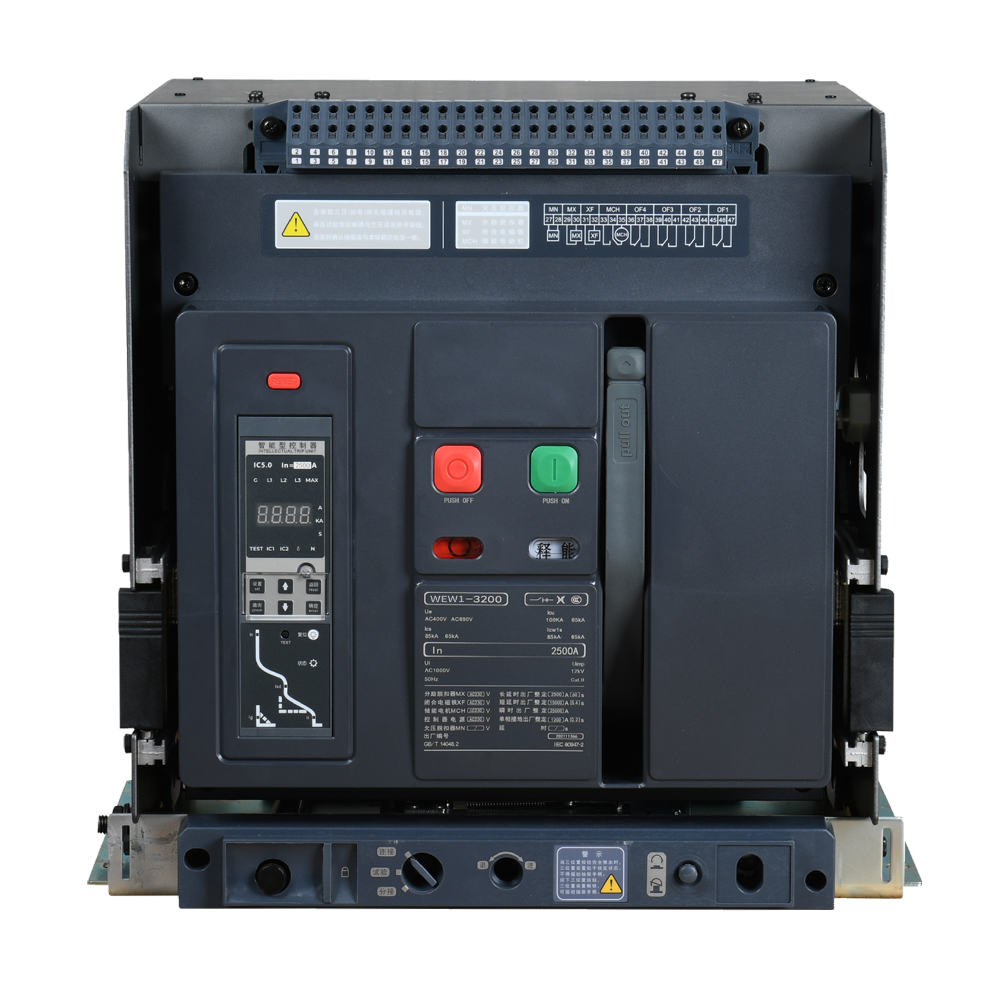
Turning the environment into design inputs
Use measured or specified minimum and maximum ambient conditions rather than a generic indoor/outdoor description. Obtain the manufacturer’s current derating information for altitude, enclosure temperature and mounting arrangement. Condensation can occur during temperature cycles even where a location is not exposed to rain.
Dust and corrosive atmospheres need enclosure and materials review, but sealing an enclosure can also change heat dissipation. The assembled switchboard’s temperature-rise verification is therefore important. Specify pollution conditions, ventilation, cable entries, clearances and maintenance access together instead of applying a universal temperature or altitude limit to every ACB.
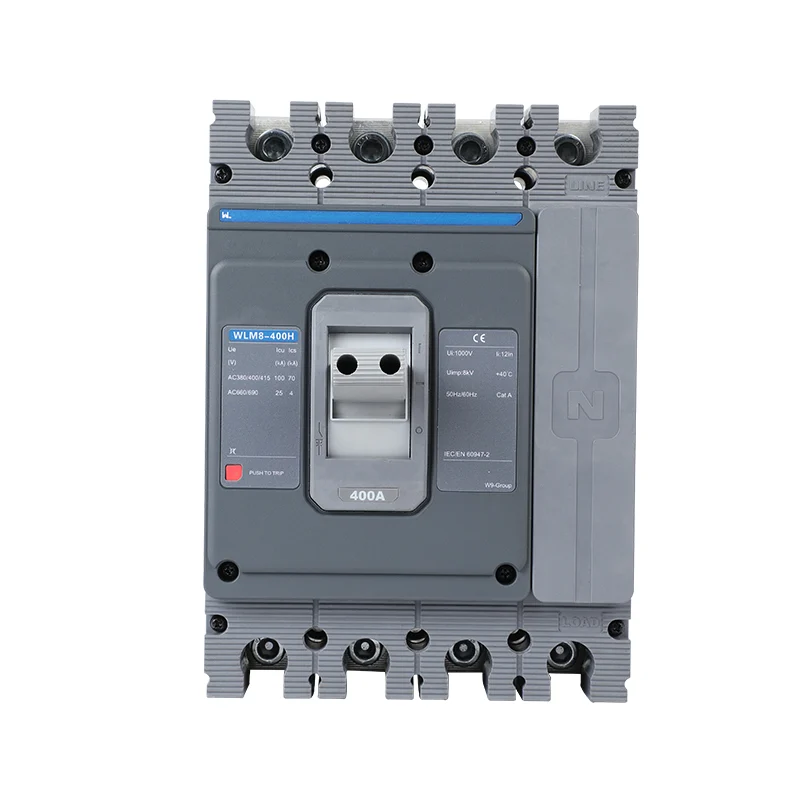
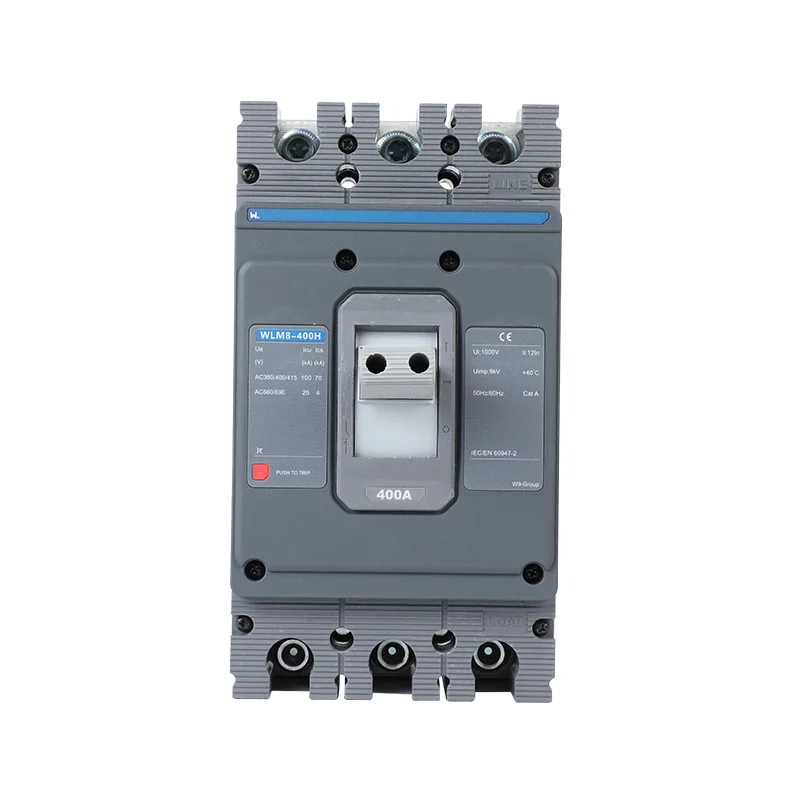
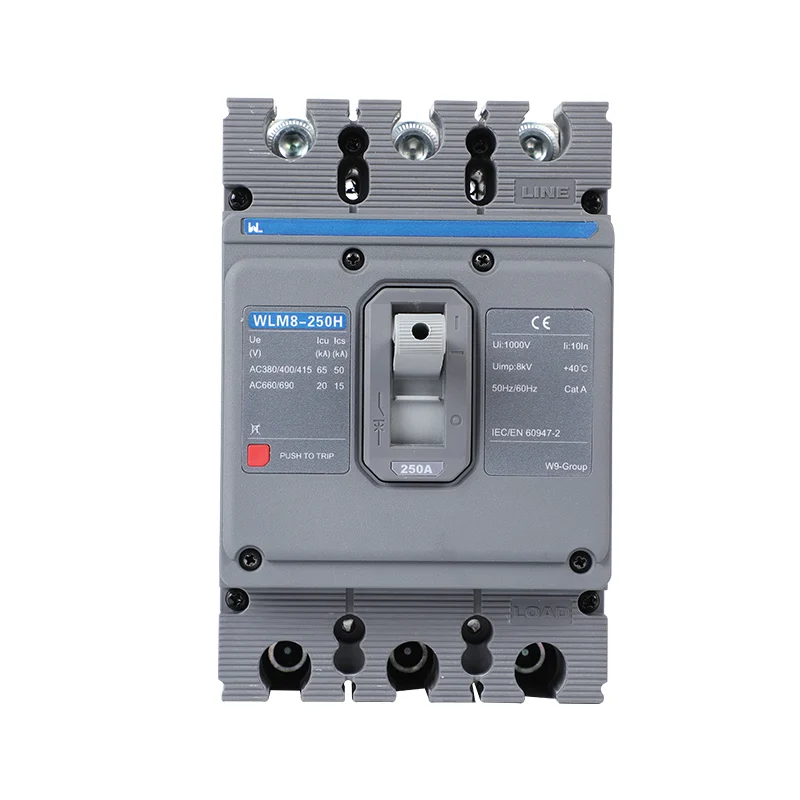
The environment in which the universal circuit breaker is used is crucial to its performance and service life. In addition to the temperature, humidity and contamination levels already mentioned, there are many other environmental factors that need to be considered and are critical to ensuring reliable and safe operation of universal circuit breakers. First, the ambient air temperature should not exceed +40°C or be lower than -5°C, and the average value within 24 hours should not exceed +35°C. This temperature range is critical to ensure proper circuit breaker operation and prevent components from overheating or freezing. In addition, the altitude of the installation site should not exceed 2000m. Too high an altitude will affect the performance of the equipment. Relative humidity is another important factor to consider when using universal circuit breakers. When the ambient air temperature is +40°C, the relative humidity of the atmosphere should not exceed 50%. Higher relative humidity is allowed at lower temperatures, and possible condensation on the product surface due to temperature changes must also be considered. The average maximum relative humidity in the wettest month does not exceed 90%, and the average monthly minimum temperature is +25°C.
In some industrial environments, the use environment of universal circuit breakers should also consider vibration and shock. The equipment may be subject to vibration and shock, which may affect the performance and stability of the circuit breaker. Therefore, in these environments, it is necessary to select a circuit breaker that can withstand vibration and shock, or to take additional protective measures to protect the circuit breaker.
In some industrial environments, electromagnetic interference is also an important consideration, and there may be a large amount of electromagnetic interference that may affect the normal operation of the circuit breaker. Therefore, in these environments, it is necessary to choose a circuit breaker with good anti-interference ability to ensure that it can work stably and reliably.
In some special environments, the use environment of universal circuit breakers should also consider the influence of air quality and chemical substances. Harmful gases or chemicals may be present, which may affect the material and electrical performance of the circuit breaker. Therefore, in these environments, circuit breakers that can withstand chemical corrosion and harmful gas erosion must be selected to ensure long-term stable operation.
In some critical applications, the use environment of universal circuit breakers should also consider reliability and safety requirements. The reliability and safety requirements of circuit breakers are very high. Therefore, it is necessary to select circuit breakers that comply with corresponding standards and certifications, and strictly follow Installation and maintenance are required to ensure that they meet specific reliability and safety requirements.
In short, understanding the environment in which the universal circuit breaker is used is crucial to ensuring its reliable and safe operation. By considering factors such as vibration, shock, electromagnetic interference, air quality, the impact of chemical substances, and reliability and safety requirements, users can select a universal circuit breaker suitable for a specific environment and take appropriate installation and maintenance measures to ensure its performance and service life.
Frequently asked questions
Does a breaker retain its full current rating at every temperature?
No. The rating is declared under specified conditions, and manufacturer derating may apply. Review the temperature inside the actual enclosure.
Why does altitude affect breaker selection?
Reduced air density can affect insulation and cooling. Apply the exact manufacturer’s altitude guidance and assembly requirements rather than a universal correction factor.
Does a sealed cabinet solve every environmental problem?
No. It may limit ingress but alter temperature rise and condensation risk. Evaluate enclosure performance together with cooling and the installed equipment.
What environmental information belongs in an ACB enquiry?
Provide ambient range, altitude, dust or corrosive exposure, condensation risk, mounting and enclosure details. Request written limits for the exact supplied configuration.
References
- IEC 60947-2:2024 — circuit-breaker scope.
- IEC 61439-2:2020 — power switchgear assemblies.
- Schneider Electric — field testing and maintenance guide, manufacturer-specific scope.
For a duty-specific review, contact W9 Group with the one-line diagram, switchboard arrangement and required accessory functions.